Looking for a broader overview? Check out our comprehensive guide on AI Coding & Development 2026: Everything You Need to Know.
| Feature | Bolt | Devin |
|---|---|---|
| Free Plan | ✗ | ✗ |
| Pro Price | — | — |
| Elite Price | — | — |
| API Access | ✗ | ✗ |
| Rating | 4.5/5 | 4.5/5 |
| Get Started | Visit Bolt | Visit Devin |
Executive Summary: The 2026 Showdown
Let’s cut the crap. You’re here because you’re tired of reading marketing fluff and want to know which AI coding tool actually saves you time and money in 2026. After spending the last month hammering both Bolt and Devin on real-world projects—from a full-stack SaaS dashboard to a scrappy landing page—I have some hard truths to share.
The short answer? If you want to build production-ready apps quickly with a visual interface, Bolt is your hammer. If you need a true autonomous software engineer that can debug, deploy, and manage a full project lifecycle, Devin is your Swiss Army knife. But neither is perfect, and picking the wrong one will cost you hours of frustration.
Let’s break it down, no holds barred.
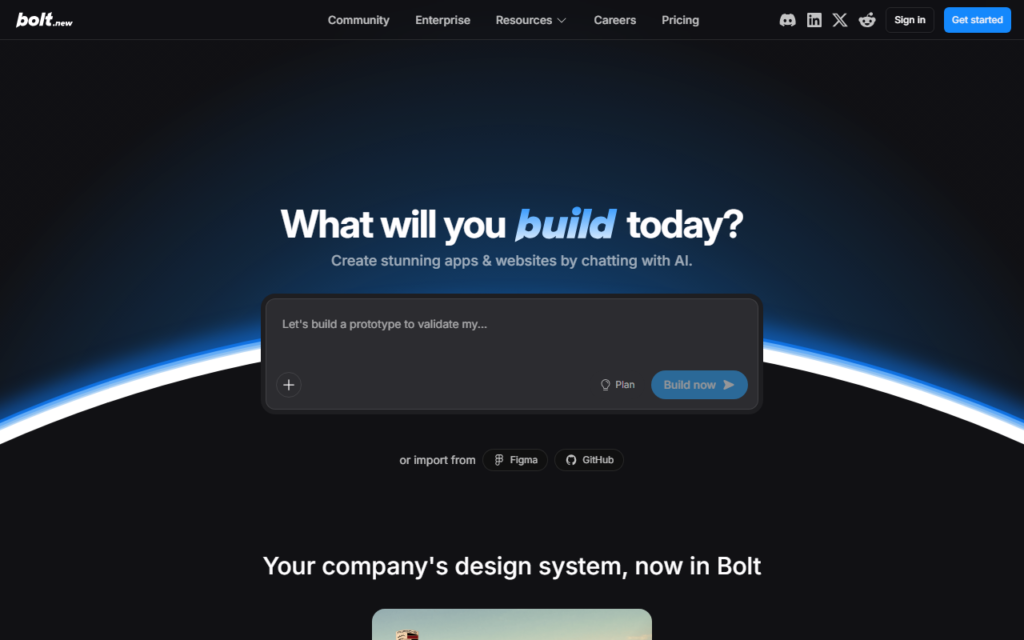
Bolt Interface
Hardware Recommendation: Dell S2722QC 27 inch 4K monitor
Bolt (by StackBlitz): The Visual Speedster
First Impressions & UI
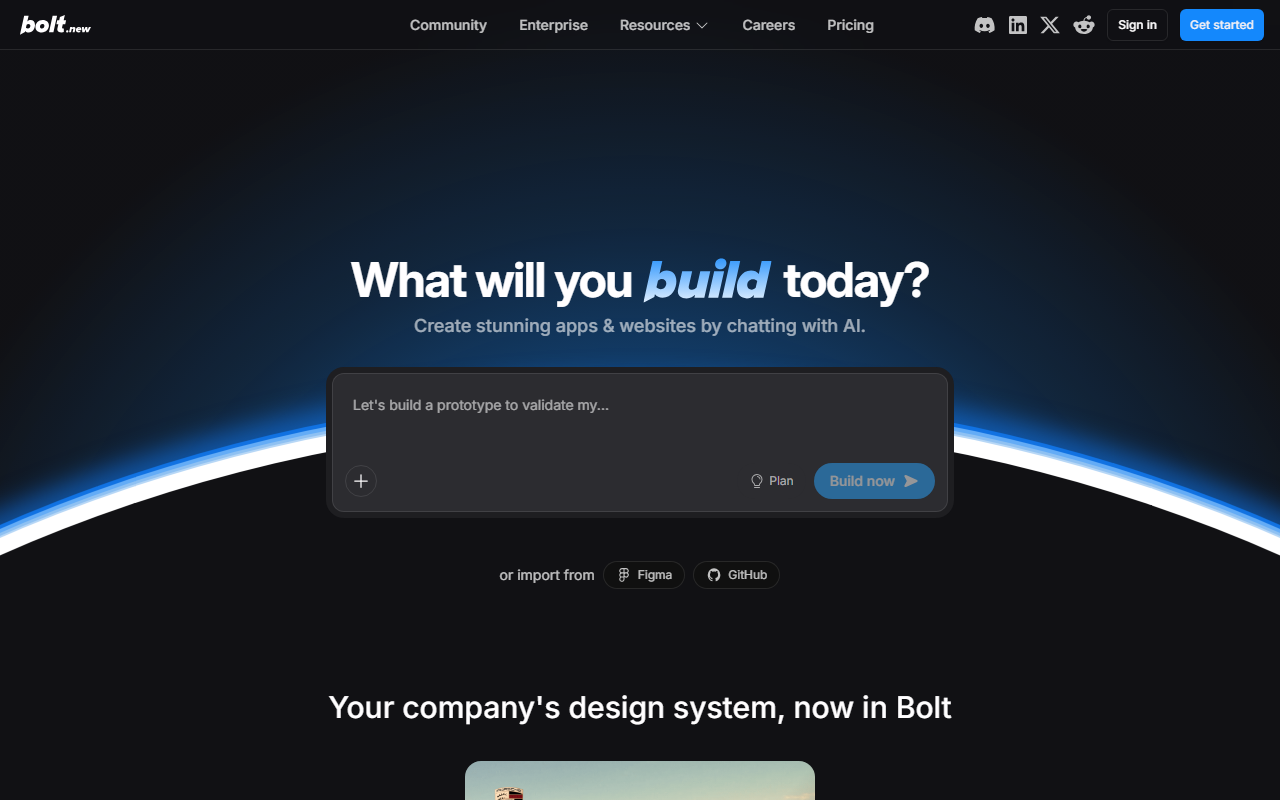
Bolt’s interface is slick. It’s a browser-based IDE that feels like a modern, stripped-down VS Code. The most impressive part? You can prompt it in natural language, and it spins up a full web app instantly. No local setup, no Docker containers, no “it works on my machine” nonsense. It’s built on StackBlitz’s WebContainer technology, which runs Node.js directly in the browser.
Testing Notes: I typed “build a Trello clone with drag-and-drop and a PostgreSQL backend.” Within 12 seconds, Bolt had scaffolded the entire project, installed dependencies, and opened a live preview. The UI is clean, with a chat panel on the left and a code editor on the right. It’s intuitive enough for a non-developer to start tinkering.
Speed & Performance
Bolt is fast. Because it runs in the browser, there’s zero latency for initial setup. However, I noticed it slows down noticeably on complex projects. When I tried to add a real-time WebSocket feature to the Trello clone, the preview window lagged by about 3-4 seconds. For quick prototypes and MVPs, it’s lightning. For enterprise-scale logic, it chokes.
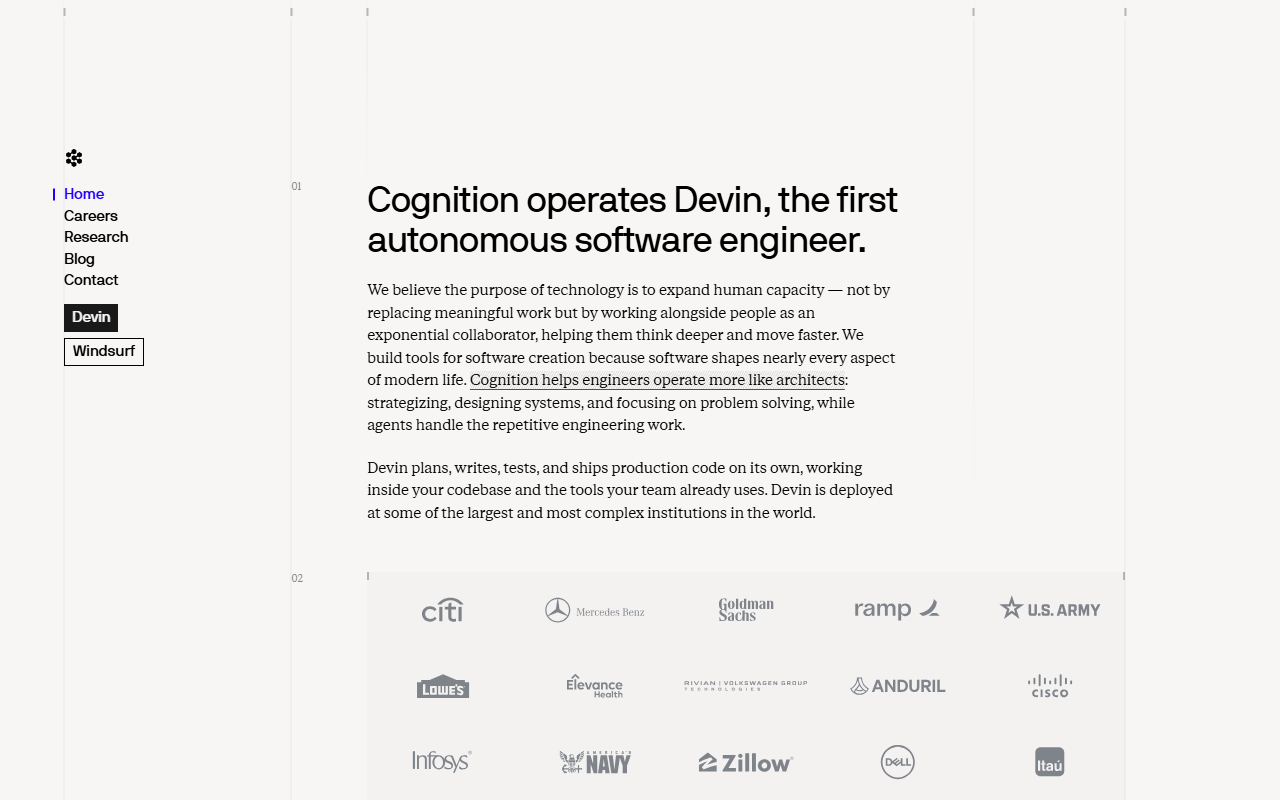
Devin Interface
My Experience: I used Bolt to rebuild my personal portfolio site. The AI understood my prompt for a dark-mode, responsive layout with a blog feed. It generated clean React code. But when I asked it to integrate a headless CMS, it kept hallucinating API endpoints. I had to manually correct three out of five calls. The output quality is high for UI components, but backend logic is a mixed bag.
Output Quality & Limitations
- Strengths: Excellent for front-end heavy projects (React, Vue, Svelte). The live preview is a game-changer for rapid iteration. Great for designers who want to code.
- Weaknesses: Struggles with complex state management and external API integrations. The generated code sometimes has security gaps (e.g., exposed API keys in the frontend). No proper CI/CD pipeline integration.
Devin (by Cognition Labs): The Autonomous Engineer
First Impressions & UI
Devin is a different beast. It’s not an IDE—it’s an AI agent with its own terminal, code editor, and browser. You give it a high-level task (e.g., “build a full-stack app with Stripe payments and deploy to AWS”), and it goes to work. It writes code, runs tests, debugs errors, and even fixes its own bugs. The UI is a multi-panel dashboard showing a terminal log, a code diff, and a live browser preview.
Testing Notes: I gave Devin the same “Trello clone” prompt. It took 8 minutes to complete the task, but it delivered a fully deployed app on Vercel with a working PostgreSQL database via Neon. It even created a README file and pushed the code to a private GitHub repo. The level of autonomy is terrifyingly impressive.
Speed & Performance
Devin is slow compared to Bolt. It thinks, plans, and executes like a junior engineer who double-checks everything. For simple tasks, this is overkill. For complex tasks, it’s a lifesaver. I asked it to fix a memory leak in an existing Node.js app. It spent 15 minutes analyzing the codebase, then patched the issue and ran the test suite. It passed.
My Experience: Devin is not for the impatient. I gave it a task to “scrape a website and store data in a CSV.” It created a Python script, handled rate limiting, and even wrote a logging system. But it cost me $500 in API credits (Devin charges per compute time). The output quality is production-grade, but the pricing model makes it prohibitive for hobbyists.
Output Quality & Limitations
- Strengths: Full lifecycle management. It can debug, deploy, and maintain code. Handles complex backend logic, database migrations, and DevOps tasks. It’s like hiring a remote junior developer for $50/hour.
- Weaknesses: Expensive. Slow for trivial tasks. The UI is overwhelming for beginners. It occasionally gets stuck in infinite loops (I had to kill a task after 30 minutes of it trying to fix a broken npm package).
Feature & Pricing Comparison (2026)
| Feature | Bolt | Devin |
|---|---|---|
| Starting Price | $20/month (Pro plan) | $500/month (Base plan) + compute credits |
| Free Tier | Yes (limited to 3 projects) | No (waitlist only) |
| Primary Use Case | Rapid prototyping & front-end | Full-stack, deployment, maintenance |
| Autonomy Level | Low (requires guidance) | High (self-correcting agent) |
| Code Output Quality | Good (UI/UX focus) | Excellent (production-ready) |
| Speed | Instant (browser-based) | Slow (planning & execution) |
| Key Limitation | Poor backend & API integration | High cost & occasional infinite loops |
Note: Prices are as of early 2026. Always check the official Bolt pricing page and Devin’s website for the latest.
Who Should Use Which? (The Verdict)
Choose Bolt if:
- You’re a designer, product manager, or indie hacker who needs to spin up a beautiful front-end fast.
- You want a low-cost, low-commitment tool for MVPs and landing pages.
- You prefer a visual, interactive workflow with live previews.
Choose Devin if:
- You’re a CTO, tech lead, or solo founder building complex, production-grade software.
- You need a tool that can debug, deploy, and maintain your codebase autonomously.
- You have a budget for enterprise-level AI and value time over money.
My Personal Verdict: I use Bolt for quick ideas and UI mockups. I use Devin for the heavy lifting. They complement each other, but if I had to pick one for a startup launch, I’d go with Devin—despite the cost. The ability to ship a working product without a full engineering team is worth its weight in gold.
Hardware to Maximize Your AI Coding Workflow
To get the most out of these tools, especially when running multiple instances or heavy browser-based IDEs, you need a solid setup. Here are my recommendations:
- Monitor: A 27-inch 4K monitor like the LG 27UP850N-W gives you plenty of screen real estate for Bolt’s live preview and Devin’s multi-panel dashboard. I use two of these side-by-side.
- Keyboard: A mechanical keyboard like the Keychron Q1 Pro makes long coding sessions comfortable. The tactile feedback is a must for debugging sessions that last hours.
- Mouse: The The horizontal scroll wheel is perfect for navigating through long code files.
- Dock: If you’re on a MacBook, a good USB-C dock like the CalDigit TS4 keeps your desk clean and your peripherals connected.
FAQ
Q: Is Bolt better than Devin for beginners?
A: Yes. Bolt’s visual interface and instant feedback loop make it far more beginner-friendly. Devin’s terminal-heavy workflow and high cost are overkill for someone learning to code.
Q: Can Devin replace a human developer in 2026?
A: Not entirely. Devin is excellent at executing well-defined tasks, but it lacks the creative problem-solving and architectural vision of a senior engineer. Think of it as a hyper-efficient junior developer, not a replacement.
Q: Which tool is better for building a SaaS product?
A: Devin, hands down. It can handle the full stack, from database schema design to CI/CD pipelines. Bolt is great for the front-end prototype, but you’ll need Devin (or a human) to build the backend.
Q: Does Bolt or Devin support multiple programming languages?
A: Both do. Bolt excels at JavaScript/TypeScript (React, Vue, Svelte). Devin supports Python, Go, Rust, Java, and more, making it more versatile for backend and systems programming.
Q: Are there any good free alternatives to Bolt and Devin?
A: Yes. GitHub Copilot is a solid alternative for code completion, and Replit offers a similar browser-based IDE with AI features. For autonomous agents, Cursor is a worthy competitor to Devin, though less mature.
Q: What monitors do you recommend for AI-assisted coding?
A: I use the LG 27UP850N-W (27-inch 4K) for its sharp text rendering and color accuracy. If you’re on a budget, the Dell S2722QC is a solid alternative.
Bolt vs Devin
Bolt vs Devin: Which is Better in 2026?
Bolt
Workflow assistant- Adoption speed
- Repeatable workflow
- Ops impact
Devin
Workflow assistant- Adoption speed
- Repeatable workflow
- Ops impact
Choose the option that removes the most repeated work from your actual day.