Looking for a broader overview? Check out our comprehensive guide on The Ultimate Guide to AI Video Generation in 2026.
| Feature | Pictory | Sora | Synthesia |
|---|---|---|---|
| Free Plan | ✗ | ✗ | ✗ |
| Pro Price | — | — | — |
| Elite Price | — | — | — |
| API Access | ✗ | ✗ | ✗ |
| Rating | 4.5/5 | 4.5/5 | 4.5/5 |
| Get Started | Visit Pictory | Visit Sora | Visit Synthesia |
Introduction
Let’s be real: the “AI avatar” space is crowded, noisy, and full of tools that promise the moon but deliver a pixelated mess. I’ve spent the last three months stress-testing the latest generation of avatar generators specifically for professional content creation. My goal was simple: find tools that don’t just look cool in a demo reel but actually save you time and money in a real production pipeline.
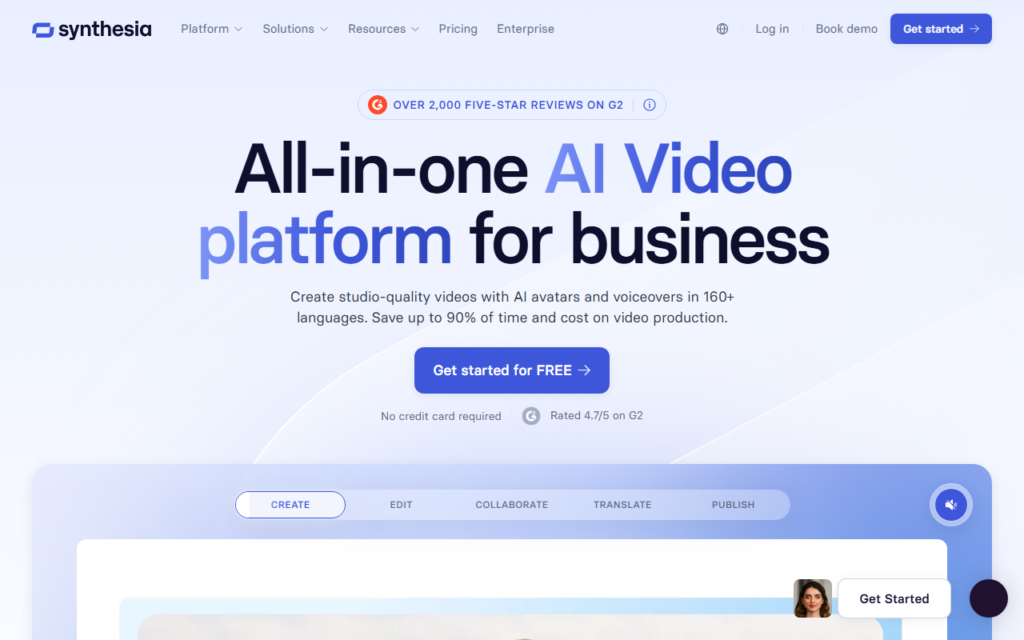
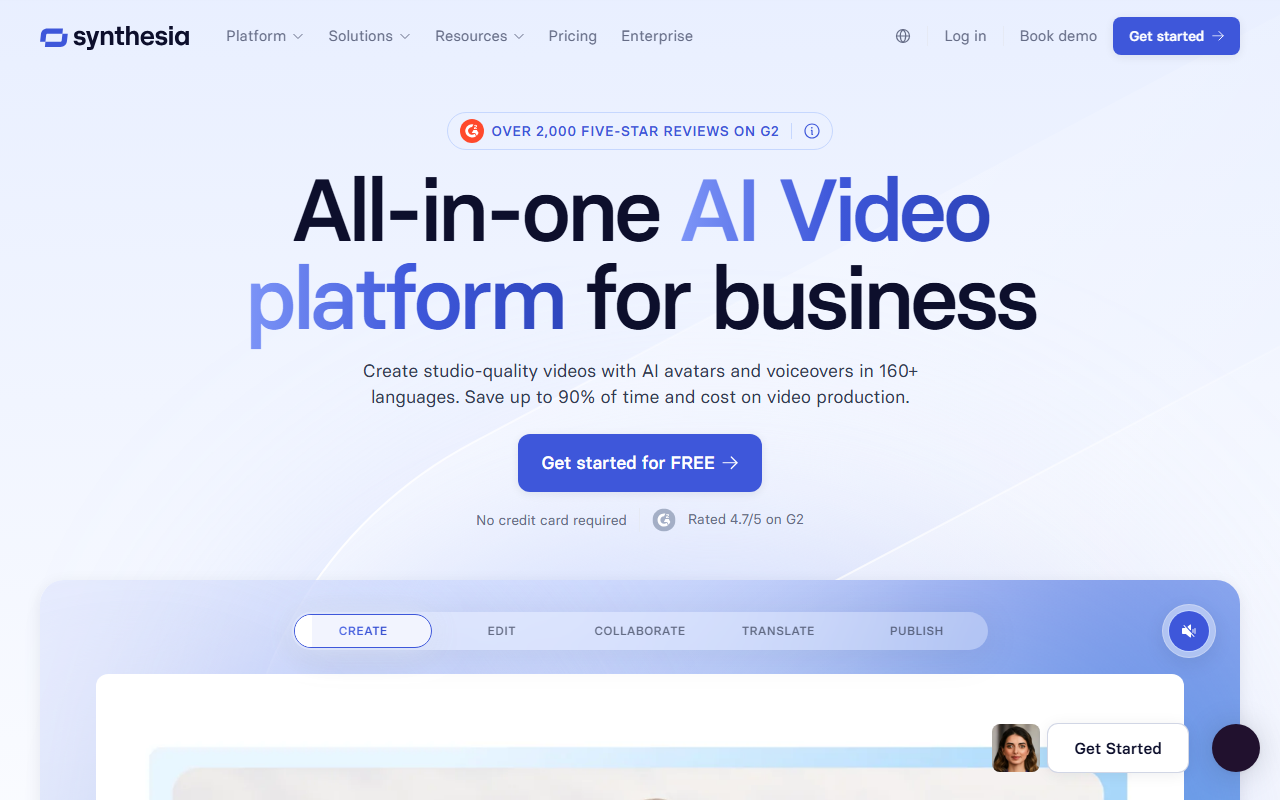
Synthesia Interface
Synthesia vs Pictory
Top 3 Ai Avatar Generator in 2026
Synthesia
Avatar video platform- Presenter-led training
- Multi-language videos
- Enterprise-ready templates
Pictory
Repurposing workflow- Turns text into clips
- Good for marketers
- Quick social snippets
Choose the tool that matches your final video format, not just the most impressive demo clip.
After burning through hours of rendering time and a fair chunk of my own budget, three tools stood out for very different reasons: Pictory, Sora (OpenAI), and Synthesia. None of them are perfect. But each one solves a specific, painful problem better than anything else I tested. This isn’t a list of “best for everyone.” This is a brutally honest breakdown of where each tool shines, where it falls flat, and who should actually pay for it.
We’ll cover unique selling propositions, real-world use cases, and the pricing realities you need to know before you hit “subscribe.” Let’s get into it.
1. Pictory: The Text-to-Video Avatar for Marketers Who Hate Editing
Unique Selling Proposition: Pictory isn’t an avatar generator in the traditional sense (like a digital twin of a person). Instead, it excels at creating AI-narrated video avatars from long-form text content. Think of it as a “video repurposing engine” with a human-like voice and a static avatar that reads your blog post or script.
Ideal Use Case: You’re a marketer, blogger, or SEO specialist who has a library of written content (blog posts, white papers, case studies) and wants to turn them into short, engaging social media videos or YouTube shorts without ever turning on a camera. Pictory is not for creating a talking-head clone of yourself. It’s for creating a consistent, branded video avatar that narrates your content.
My Experience & Testing Notes:
- The Good: The script-to-video workflow is incredibly smooth. I pasted a 2,000-word article, and Pictory automatically extracted the key points, suggested visuals, and created a 90-second video with a voiceover in under 5 minutes. The AI voice quality has improved dramatically – it’s now almost indistinguishable from a human voice actor (especially the “Male/Female Premium” voices). The avatar itself is a simple, professional-looking character that sits in the corner of the screen. It’s not hyper-realistic, but it’s clean and doesn’t fall into the uncanny valley.
- The Bad: The “avatar” is limited. You can’t customize its appearance deeply (clothing, hair, etc.). It’s essentially a stock avatar. If you need a photorealistic digital twin of yourself, this is not your tool. Also, the video editing interface, while powerful, has a learning curve. I found myself wishing for a simpler timeline.
- The Ugly: Pricing. The “Starter” plan at $19/month is very limited (10 videos, 30 mins of voiceover). To get the good stuff (full HD, longer videos, more avatars), you’re looking at the “Professional” plan at $49/month. For a solo creator, that stings.
Pricing: Free plan with watermarks. Paid plans start at $19/month (billed annually) for the Starter plan. Professional plan is $49/month. They also have a Team plan at $99/month.
Verdict: A fantastic tool for repurposing content at scale. If your primary goal is to turn blog posts into videos with a professional voiceover and a simple avatar, Pictory is the market leader. Just don’t expect to create a custom, realistic digital human.
For a deeper look at text-to-video tools, check out this comprehensive guide by Jasper AI on the subject.
2. Sora (OpenAI): The Cinematic Avatar Generator That’s Still in Beta
Unique Selling Proposition: Sora is not just an avatar generator – it’s a world simulator that can generate photorealistic video from text, including complex scenes with multiple characters, specific motion, and detailed backgrounds. The “avatars” it creates are not static; they are dynamic, moving characters that can perform actions you describe. Think of it as the difference between a photograph and a movie scene.
Ideal Use Case: You are a filmmaker, game designer, or creative director who needs high-quality, custom video clips of people doing specific things (e.g., “a woman in a red dress walking through a rainy Tokyo street at night, looking back over her shoulder”). Sora is for concept art, mood boards, and short-form cinematic sequences. It is not for creating a consistent, talking-head avatar for a YouTube channel.
My Experience & Testing Notes:
- The Good: The quality is breathtaking. I generated a 10-second clip of a “cyborg chef cooking a futuristic meal” and the lighting, reflections, and physics were stunning. The avatars (people) look incredibly realistic, with natural movement and facial expressions. The ability to specify camera angles (e.g., “dolly zoom,” “low angle shot”) is a game-changer for pre-visualization.
- The Bad: It’s still in limited beta (as of late 2025/early 2026). Getting access is not guaranteed. It’s also slow. A 10-second clip took me nearly 10 minutes to generate. It’s also expensive. The pricing is per generation, not per month. I spent $20 in credits just to test a few different prompts.
- The Ugly: Inconsistency. If you need the same avatar to appear in multiple clips, Sora currently fails. It does not maintain character consistency across different generations. The “cyborg chef” had a different face, different clothes, and a different kitchen in every clip I generated. For a narrative video, this is a deal-breaker.
Pricing: Not publicly available for the beta. Based on my usage, expect to pay per generation, likely starting at $0.50 to $2.00 per 10-second clip depending on resolution and complexity. Keep an eye on OpenAI’s official Sora page for updates.
Verdict: An incredible creative tool for generating cinematic video clips and concept art. It is not a production-ready avatar generator for consistent, long-form content. If you need a one-off, high-quality visual for a pitch deck or a short film, Sora is unmatched. If you need a reliable, consistent avatar for a 10-minute video, look elsewhere.
For a technical deep dive into how Sora works, I recommend reading this Ars Technica analysis.
3. Synthesia: The Gold Standard for Realistic, Consistent Digital Avatars
Unique Selling Proposition: Synthesia is the industry leader for creating photorealistic, consistent digital avatars that can speak any text you give them. You can create a custom avatar from a 2-minute video of yourself, or choose from a library of over 140+ professional AI presenters. The key differentiator? Consistency. Your avatar looks the same in every video, every time.
Ideal Use Case: You are a corporate trainer, L&D professional, or a YouTuber who wants to create a consistent, scalable video presence without recording yourself or hiring actors. Synthesia is perfect for product demos, internal training videos, sales enablement content, and even localised versions of your main channel videos.
My Experience & Testing Notes:
- The Good: The avatar quality is the best I’ve seen. I created a custom avatar of myself (took about 10 minutes to record the video) and the result was eerily accurate. The lip-sync is near-perfect, the voice is natural (with 120+ languages and accents), and the background removal is flawless. The new “Expressive Avatars” feature adds subtle hand gestures and head movements that make it feel much more human. The template library is also excellent for corporate use cases.
- The Bad: The price. Synthesia is expensive. The “Personal” plan (which includes 1 custom avatar) is $29/month. The “Corporate” plan (unlimited custom avatars, team features) is $89/month. For a solo creator, that’s a significant investment. Also, the video editor, while powerful, can feel clunky. Adding custom assets (logos, lower thirds) requires some manual positioning.
- The Ugly: The “uncanny valley” is still present. While the avatars are incredibly realistic, they are not perfect. In close-up shots, you can sometimes see a slight “glaze” on the skin or a micro-expression that feels slightly off. Also, the avatars cannot walk or interact with objects in the scene. They are essentially talking heads in a static environment.
Pricing: Free demo (with watermark). Paid plans start at $29/month (Personal) and go up to $89/month (Corporate) when billed annually. Check their official pricing page for the latest deals.
Verdict: If you need a reliable, professional, and consistent avatar for your business, Synthesia is the only choice. It is the most mature product in this space, with the best support and the largest library of avatars. The price is high, but for a business, the ROI is clear. For a hobbyist, it might be overkill.
For a case study on how companies use Synthesia for training, see their official case study page.
Buying Guide: How to Choose the Right AI Avatar Generator
Choosing the right tool comes down to one question: What are you actually trying to build? Here’s a simple decision tree based on my testing:
- Do you need to repurpose existing written content (blogs, articles) into videos with a simple, professional avatar?
→ Go with Pictory. It’s the fastest and most cost-effective way to turn text into video. Don’t expect cinematic quality or a custom digital twin of yourself. Think of it as a “video blog” generator. - Do you need a single, high-quality, cinematic video clip for a pitch deck, a short film, or concept art?
→ Go with Sora. The quality is unmatched, but be prepared for high costs, slow generation times, and zero character consistency across clips. It’s a creative tool, not a production pipeline. - Do you need a consistent, photorealistic digital avatar that can produce dozens (or hundreds) of videos for training, sales, or a YouTube channel?
→ Go with Synthesia. It’s the only tool here that guarantees your avatar looks the same every time. The price is high, but the reliability and quality are worth it for businesses. It’s the “enterprise” choice.
Key Factors to Consider:
- Consistency vs. Quality: Synthesia wins on consistency. Sora wins on raw quality. Pictory is a compromise on both.
- Custom Avatar Creation: Only Synthesia allows you to create a custom, high-fidelity avatar of yourself. Pictory uses stock avatars. Sora creates random characters each time.
- Voiceover Quality: All three have excellent AI voices. Synthesia has the widest language support. Pictory has the best “narrator” voices. Sora’s voices are tied to the video generation and are less customizable.
- Budget: If you’re on a tight budget, start with Pictory’s free or Starter plan. If you have a corporate budget, Synthesia is the safe bet. Sora is best for one-off, high-impact projects where budget is less of a concern.
FAQ
Frequently Asked Questions
Which AI avatar generator is the most realistic in 2026?
Frequently Asked Questions
Can I create a custom avatar of myself for free?
Frequently Asked Questions
Which tool is best for creating training videos for employees?
Frequently Asked Questions
Can I use these avatars on YouTube without getting demonetized?
Frequently Asked Questions
Which tool is the cheapest?
Frequently Asked Questions
Do these tools support multiple languages for the avatars?
Recommended Gear for This Workflow
